Trending...
- Community Members and Stakeholders Invited to Help Shape a More Accessible Tacoma
- New England Consulting Partners Celebrates 25 Years of Turnaround Management Solutions
- Simpalm Staffing Launches Tax Preparer Staffing for U.S. CPA Firms
Sgt. Teresa Fuller, PIO
OLYMPIA, WA — More motorcycles travel on Washington's roads in the summer months than any other time of the year. Unfortunately, summer is also the time when, historically, more motorcycle riders are killed or injured in crashes. In a continued effort to reduce these crashes, increased safety patrols will be visible June 24-26 along Interstate 90 from Snoqualmie Pass to Spokane.
The patrols will focus on illegal driving behaviors by both motorcycle riders and other vehicle drivers. The Washington State Patrol will be working with law enforcement agencies in Kittitas, Grant, Adams, Lincoln, and Spokane Counties focused on drivers and riders who commit traffic safety violations.
"Motorcyclists are vulnerable road users and continue to be over-represented in deadly crashes," said Washington Traffic Safety Commission (WTSC) Director Shelly Baldwin. "These crashes are preventable and we are working together to keep motorcyclists safe."
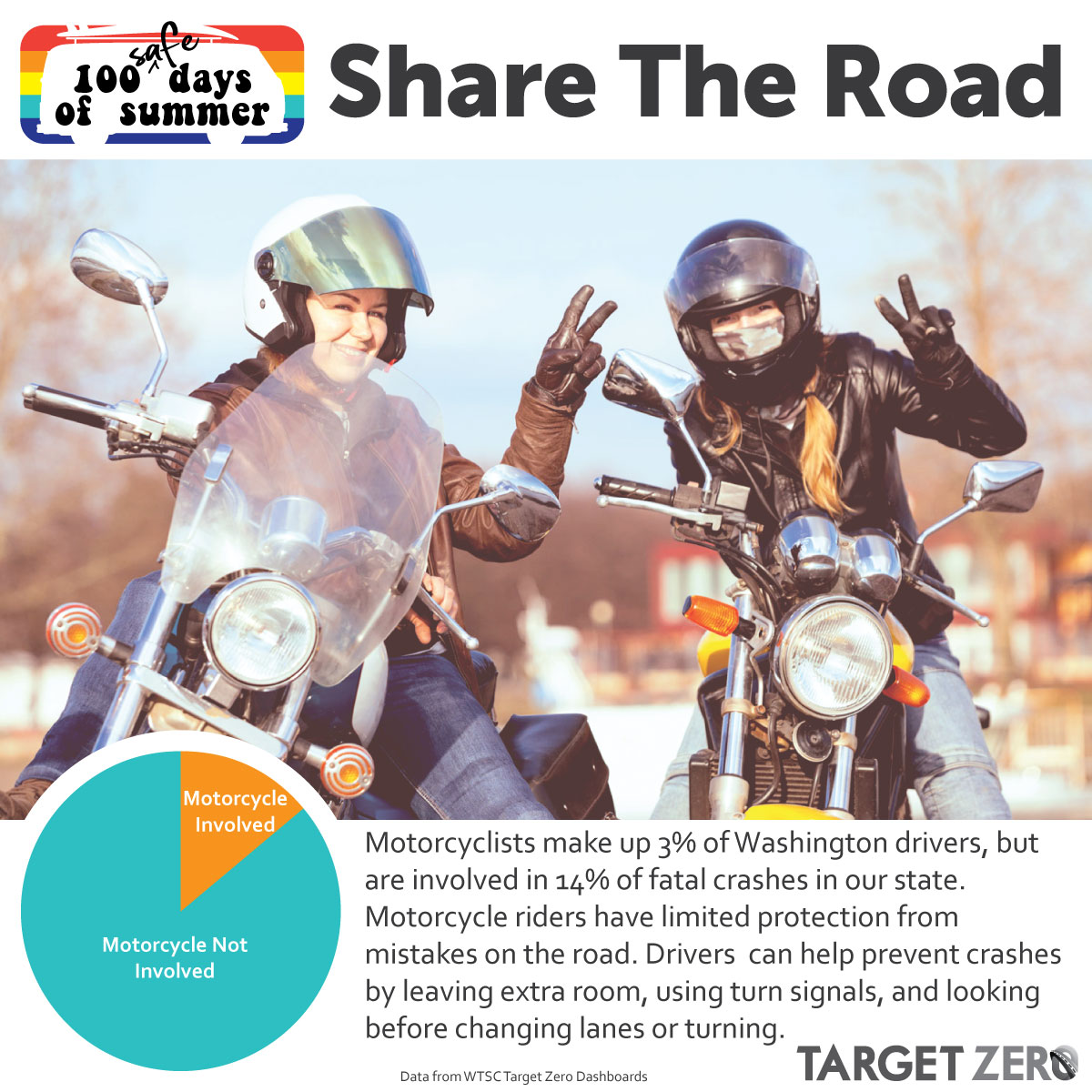
These patrols are part of the WTSC's motorcycle safety education campaign known as "It's a Fine Line." From 2017 through 2021, motorcycles made up just 3 percent of the registered vehicles on Washington's roads but accounted for 15 percent of all traffic fatalities (441 of 2,877). Of these fatal motorcycle crashes, more than half were single motorcycle crashes where no other vehicle was involved, and 70 percent were traced to causal factors committed by the motorcyclist. Driving under the influence (DUI) of drugs and alcohol, speeding, and running off the road are the main contributing factors in all motor vehicle deaths including motorcycles. Safe habits like completing beginner and advanced rider training, wearing a USDOT-approved helmet and proper gear, respecting speed limits, and riding sober can help prevent deaths and serious injuries during peak riding season.
More on Washingtoner
"Summer events can bring thousands of people together from across our state," Baldwin added. "We want to ensure that everyone enjoys the weekend and arrives back home safely."
In June 2022, the National Highway Traffic Safety Administration (NHTSA) released a study supporting the effectiveness of law enforcement patrols in reducing unsafe driving behavior and crashes. The WTSC and participating law enforcement agencies condemn profiling. Trained and commissioned law enforcement officers will be conducting these patrols enforcing traffic violations as defined by Washington State laws.
For training videos and other information on the "It's A Fine Line" motorcycle safety program in Washington, please visit http://itsafineline.com/
These and all extra law enforcement patrols sponsored by WTSC are part of Target Zero—striving to end traffic deaths and serious injuries on Washington's roadways. For more information, visit www.targetzero.com. Additional information on the Washington Traffic Safety Commission can be found on the website, www.wtsc.wa.gov.
Source: WTSC Research and Data Division:
The federal government estimates that, per vehicle mile traveled, the number of deaths on motorcycles is over 26 times the number in cars.
More on Washingtoner
In the last five years (2017-2021) in Washington, an average of 88 motorcyclists died each year.
The common belief that most motorcycle crashes are caused by other motorists is inaccurate. In actuality, 70 percent of all fatalities are due to motorcycle rider error. When we break this down by type of motorcycle, sport bikes are overrepresented — 86 percent of these fatalities were rider-caused.
Impairment by drugs and/or alcohol, speeding, and improper passing are the major risk factors for most serious injury and fatal motorcycle crashes.
Washington is using education for both motorcycle operators and other vehicle drivers, as well as a focus on training and licensing endorsement, to address motorcycle fatalities and serious injuries.
Motorcycle riders involved in fatal and serious injury crashes are primarily male, comprising 90 percent of the fatalities during 2017-2021.
Washington crash data is available by state and county here: https://wtsc.wa.gov/research-data/
For journalists on word choice:
A "crash" or "collision" happens when a vehicle collides with another object. Using the word "accident" assumes it was a bizarre occurrence that no one could have stopped, when in fact the circumstances leading up to 90 percent of car crashes are predictable and preventable. WTSC is seeing and hearing "crash" or "collision" in the news more often lately and wants to thank journalists who are making this insightful choice.
Related Photos
OLYMPIA, WA — More motorcycles travel on Washington's roads in the summer months than any other time of the year. Unfortunately, summer is also the time when, historically, more motorcycle riders are killed or injured in crashes. In a continued effort to reduce these crashes, increased safety patrols will be visible June 24-26 along Interstate 90 from Snoqualmie Pass to Spokane.
The patrols will focus on illegal driving behaviors by both motorcycle riders and other vehicle drivers. The Washington State Patrol will be working with law enforcement agencies in Kittitas, Grant, Adams, Lincoln, and Spokane Counties focused on drivers and riders who commit traffic safety violations.
"Motorcyclists are vulnerable road users and continue to be over-represented in deadly crashes," said Washington Traffic Safety Commission (WTSC) Director Shelly Baldwin. "These crashes are preventable and we are working together to keep motorcyclists safe."
These patrols are part of the WTSC's motorcycle safety education campaign known as "It's a Fine Line." From 2017 through 2021, motorcycles made up just 3 percent of the registered vehicles on Washington's roads but accounted for 15 percent of all traffic fatalities (441 of 2,877). Of these fatal motorcycle crashes, more than half were single motorcycle crashes where no other vehicle was involved, and 70 percent were traced to causal factors committed by the motorcyclist. Driving under the influence (DUI) of drugs and alcohol, speeding, and running off the road are the main contributing factors in all motor vehicle deaths including motorcycles. Safe habits like completing beginner and advanced rider training, wearing a USDOT-approved helmet and proper gear, respecting speed limits, and riding sober can help prevent deaths and serious injuries during peak riding season.
More on Washingtoner
- Pre-Seed VC Martin Tobias Makes Fundraising Tool Available to Every Startup CEO as Investor Match
- Squaawke releases memorial songs for Canadian woman who Homeland Security detained
- 2027 Health Insurance Open Enrollment
- Gahl Sasson Releases "Agents of Chaos & Angels of Change: The Astrology of 2027
- Spokane Police is Seeking Assistance Locating a Missing Adult Male
"Summer events can bring thousands of people together from across our state," Baldwin added. "We want to ensure that everyone enjoys the weekend and arrives back home safely."
In June 2022, the National Highway Traffic Safety Administration (NHTSA) released a study supporting the effectiveness of law enforcement patrols in reducing unsafe driving behavior and crashes. The WTSC and participating law enforcement agencies condemn profiling. Trained and commissioned law enforcement officers will be conducting these patrols enforcing traffic violations as defined by Washington State laws.
For training videos and other information on the "It's A Fine Line" motorcycle safety program in Washington, please visit http://itsafineline.com/
These and all extra law enforcement patrols sponsored by WTSC are part of Target Zero—striving to end traffic deaths and serious injuries on Washington's roadways. For more information, visit www.targetzero.com. Additional information on the Washington Traffic Safety Commission can be found on the website, www.wtsc.wa.gov.
Source: WTSC Research and Data Division:
| Year | Total Traffic Fatalities | Motorcycle Fatalities | Percentage of Total |
|---|---|---|---|
| 2017 | 563 | 80 | 14% |
| 2018 | 539 | 80 | 15% |
| 2019 | 538 | 95 | 18% |
| 2020 | 574 | 93 | 16% |
| 2021 (preliminary) | 663 | 93 | 14% |
| Totals | 2,877 | 441 | 15% |
The federal government estimates that, per vehicle mile traveled, the number of deaths on motorcycles is over 26 times the number in cars.
More on Washingtoner
- LocalsVoted Launches: Local Rankings From Phone-Verified Votes, Not Paid Placement
- Tacoma: Homicide Arrest – 1100 Commerce Street
- Tek84 Unveils New Brand Identity Built to Magnify What Security Officers Can Do
- CoreVar Announces Cooking with AI, an Eight-Topic Live Webinar Series
- Spokane Police Department Makes Arrest in a Decades Old Homicide
In the last five years (2017-2021) in Washington, an average of 88 motorcyclists died each year.
The common belief that most motorcycle crashes are caused by other motorists is inaccurate. In actuality, 70 percent of all fatalities are due to motorcycle rider error. When we break this down by type of motorcycle, sport bikes are overrepresented — 86 percent of these fatalities were rider-caused.
Impairment by drugs and/or alcohol, speeding, and improper passing are the major risk factors for most serious injury and fatal motorcycle crashes.
Washington is using education for both motorcycle operators and other vehicle drivers, as well as a focus on training and licensing endorsement, to address motorcycle fatalities and serious injuries.
Motorcycle riders involved in fatal and serious injury crashes are primarily male, comprising 90 percent of the fatalities during 2017-2021.
Washington crash data is available by state and county here: https://wtsc.wa.gov/research-data/
For journalists on word choice:
A "crash" or "collision" happens when a vehicle collides with another object. Using the word "accident" assumes it was a bizarre occurrence that no one could have stopped, when in fact the circumstances leading up to 90 percent of car crashes are predictable and preventable. WTSC is seeing and hearing "crash" or "collision" in the news more often lately and wants to thank journalists who are making this insightful choice.
Related Photos
0 Comments
Latest on Washingtoner
- Sycamore Dove Releases "Loving Every Moment"
- Tacoma: Homicide Arrest – 1100 Commerce Street
- Hospital Direct Medical Equipment Company Seeing Growth in Used Refurbished Medical Equipment Sales
- Scoop Social Co. Brings Its Signature Mobile Dessert Experience to Nashville
- Soft & Sweet Unveils New Studio Location and Website for All-Natural Sugaring in Las Vegas
- Beyond Popularity Rankings, The World's No.1 Superstar® Wins Best Pop Music Video for "Under Your Spell"
- Spokane: SPD Seeks the Public's Assistance in Locating 94-year-old man
- Simpalm Staffing Launches Tax Preparer Staffing for U.S. CPA Firms
- ASSIST Software Wins Volkswagen Challenge for Automated Quality Inspection
- National Literacy and Workforce Readiness Crisis Sparks New Program Launching in Birmingham
- New England Consulting Partners Celebrates 25 Years of Turnaround Management Solutions
- RAS AP Consulting Releases Educational Resource to Help Organizations Prepare for IRS FIRE-to-IRIS Transition
- Roots, Rhythm & Joy Invites Neighbors to Find Community Through Music
- Tacoma: Homicide Investigation – 1100 Commerce Street
- Former Goddard Enterprises Managing Director Anthony Ali Joins STS Capital Partners as Managing Director and Partner
- Heritage at Manalapan Announces Limited-Time Mortgage Rate Buydown on Select Quick Move-In Homes
- Good Organics Now at Pop Up Grocer NYC With October 30 Sampling Event
- KeysCaribbean Announces Temporarily Reduced Rates At Village at Hawks Cay Villas
- Commercial Manufacturing Validation Completed as November 10 FDA Milestone Approaches; Critical FDA Milestone Close: NRx Pharmaceuticals NAS DAQ: NRXP
- Electives Launches "Electives for Everyone," Making Live Expert-Led Learning Available to Every Employee