Trending...
- Community Members and Stakeholders Invited to Help Shape a More Accessible Tacoma
- New England Consulting Partners Celebrates 25 Years of Turnaround Management Solutions
- Tacoma: Homicide Investigation – 1100 Commerce Street
CCHR's New Report Exposes Dangerous Neurological Interventions Being Pushed on Veterans, Children, and the Vulnerable
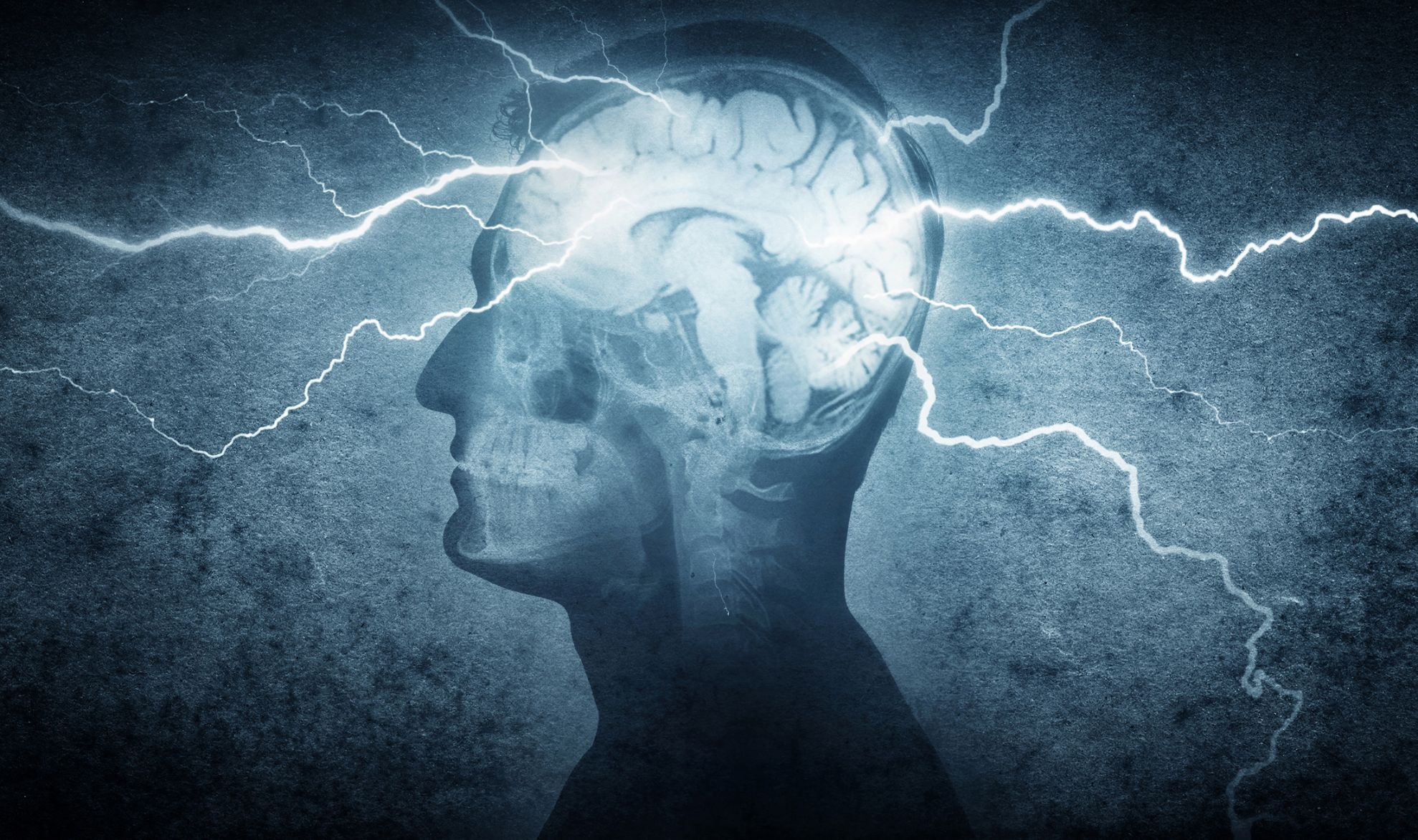
LOS ANGELES - Washingtoner -- The Citizens Commission on Human Rights International (CCHR), a leading mental health industry watchdog, has released a damning report detailing how psychiatry is blaming patients—rather than failed treatments—to justify a surge in brain stimulation interventions. "When psychiatric drugs and therapy don't work, psychiatry rarely blames the treatment—it blames the patient, saying they are 'treatment-resistant,'" said Jan Eastgate, President of CCHR International. "'Treatment-resistant' isn't a diagnosis—it's a deflection. And it's being used to push invasive procedures like Electroconvulsive Therapy (ECT), Deep Brain Stimulation (DBS), Vagus Nerve Stimulation (VNS), and Transcranial Magnetic Stimulation (TMS)."
These brain stimulation devices were "cleared" by the Food and Drug Administration (FDA) or approved under Humanitarian Device Exemptions, bypassing the rigorous testing normally required of most medical devices. Many were greenlighted based on the device delivering ECT—a practice known for causing brain damage, memory loss, and even death[1].
Even industry insiders acknowledge concerns. "The precise physiological mechanisms of DBS are not yet fully understood," admits one clinical review.[2] A professor of psychiatry at Brown University's Alpert Medical School, put it more starkly: "This really is a kind of mind control."[3]
The term "treatment-resistant" is a psychiatric sleight of hand, Eastgate says, now used to justify a global neurostimulation industry projected to hit $51 billion by 2030. Labeling up to 60% of psychiatric patients as "resistant" creates a false pretext for experimental interventions.[4] Meanwhile, 25% of patients develop psychotropic drug tolerance within weeks, prompting ever-riskier "solutions."[5]
Electroshock: Psychiatry's Recycled Blunder
ECT involves sending up to 460 volts through the brain to trigger seizures. Contrary to PR spin, Eastgate says, experts report modern ECT is no safer—voltage levels are higher than when broken bones were common due to convulsions.
Deep Brain Stimulation: Electrodes are surgically implanted into the brain, powered by a device in the chest.
Vagus Nerve Stimulation: Electrical stimulation delivered via electrodes wrapped around the vagus nerve.
Transcranial Magnetic Stimulation: Magnetic pulses are aimed at the brain over six weeks.
Despite the sophistication of these procedures, there is still no objective medical test to diagnose any psychiatric disorder. No blood test. No brain scan. No biomarker.[15]
More on Washingtoner
Dr. Thomas Insel, former director of the National Institute for Mental Health advised: "Unlike our definitions of ischemic heart disease, lymphoma, or AIDS, the DSM [Diagnostic and Statistical Manual of Mental Disorders] diagnoses are based on a consensus… not any objective laboratory measure."[16]
"It's not the patient that's resistant—it's the system that's resistant to accountability," Eastgate said. "In any other field, if the intervention failed, the treatment would be reevaluated. But psychiatry doubles down, pushing more dangerous interventions instead."
CCHR urges policy makers to: End all use of ECT and brain stimulation devices for treatment of mental issues, and end ECT's role as a predicate device for newer technologies. And support humane, non-invasive, non-drug, non-brain stimulation solutions that respect patient dignity and avoid neurological and other physical harm.
CCHR, established in 1969 by the Church of Scientology and psychiatrist Dr. Thomas Szasz has a record of reforms that include banning lethal Deep Sleep Treatment, outlawing ECT use on children in several U.S. states, and securing global recognition for patient rights. Today, the United Nations and WHO echo what CCHR has long fought for: coercion has no place in mental health care.
Sources:
[1] FDA, Final Rule on Electroconvulsive Therapy Devices, Federal Register, Dec. 26, 2018; WHO-OHCHR, "Guidance on Mental Health, Human Rights and Legislation," 9 Oct. 2023, p. 58, www.ohchr.org/sites/default/files/documents/publications/WHO-OHCHR-Mental-health-human-rights-and-legislation_web.pdf
[2] Lavanya P. Sharma, et. al, "Deep brain stimulation – A primer for psychiatrists," Asian Journal of Psychiatry, Vol. 104, Feb. 2025
[3] Lavanya P. Sharma, et. al, "Deep brain stimulation – A primer for psychiatrists," Asian Journal of Psychiatry, Vol. 104, Feb. 2025
[4] "Treatment resistance in psychiatry: state of the art and new directions," Mol Psychiatry, July 2021, pmc.ncbi.nlm.nih.gov/articles/PMC8960394/#fn-group1
[5] pmc.ncbi.nlm.nih.gov/articles/PMC9332474/
[6] WHO- OHCHR, "Guidance on Mental Health, Human Rights and Legislation," 9 Oct. 2023, pp. 15, 58 and 59; www.cchrint.org/2023/09/18/who-guideline-condemns-coercive-psychiatric-practices/
[7] "Electroconvulsive Shock Therapy Lawsuit – What You Should Know About ECT," www.wisnerbaum.com/defective-medical-device-injuries/ect/
[8] www.cchrint.org/2024/11/08/veterans-day-cchr-calls-for-safeguards/, Peter Simons, "ECT Does Not Seem to Prevent Suicide," Mad In America, 17 Feb. 2023, www.madinamerica.com/2023/02/ect-does-not-seem-to-prevent-suicide/
More on Washingtoner
[9] www.cchrint.org/2024/08/23/the-collapse-of-electroshock/ Based on Freedom of Information Requests to 27 states
[10] www.cchrint.org/2018/10/12/veterans-get-damaging-mental-health-deal/; Tricare Encounter Data (TED) Non-Institutional (Outpatient) for Purchased Care claims, Data Extract as of 10/21/2016, Data received from CCHR International Freedom of Information Request, 2016
[11] "Brain Stimulation Therapies," NIMH, www.nimh.nih.gov/health/topics/brain-stimulation-therapies/brain-stimulation-therapies.shtml, accessed 21 Feb. 2011; Dr. Ananya Mandal, MD, "Deep Brain Stimulation Side Effects," News Medical Life Sciences, 22 July 2023, www.news-medical.net/health/Deep-Brain-Stimulation-Side-Effects.aspx
[12] Danielle Egan, "Adverse Effects: The Perils of Deep Brain Stimulation for Depression," Mad in America, 24 Sept. 2015
[13] www.hg.org/legal-articles/patients-with-complications-from-cyberonics-vns-therapy-systems-may-qualify-to-file-a-lawsuit-49467
[14] FDA MAUDE report, Neurostar TMS, 07/14/2021, www.accessdata.fda.gov/scripts/cdrh/cfdocs/cfMAUDE/detail.cfm?mdrfoi__id=15283600&pc=OBP
[15] www.sciencedaily.com/releases/2020/08/200817104247.htm
[16] psychrights.org/2013/130429NIMHTransformingDiagnosis.htm
These brain stimulation devices were "cleared" by the Food and Drug Administration (FDA) or approved under Humanitarian Device Exemptions, bypassing the rigorous testing normally required of most medical devices. Many were greenlighted based on the device delivering ECT—a practice known for causing brain damage, memory loss, and even death[1].
Even industry insiders acknowledge concerns. "The precise physiological mechanisms of DBS are not yet fully understood," admits one clinical review.[2] A professor of psychiatry at Brown University's Alpert Medical School, put it more starkly: "This really is a kind of mind control."[3]
The term "treatment-resistant" is a psychiatric sleight of hand, Eastgate says, now used to justify a global neurostimulation industry projected to hit $51 billion by 2030. Labeling up to 60% of psychiatric patients as "resistant" creates a false pretext for experimental interventions.[4] Meanwhile, 25% of patients develop psychotropic drug tolerance within weeks, prompting ever-riskier "solutions."[5]
Electroshock: Psychiatry's Recycled Blunder
ECT involves sending up to 460 volts through the brain to trigger seizures. Contrary to PR spin, Eastgate says, experts report modern ECT is no safer—voltage levels are higher than when broken bones were common due to convulsions.
- FDA Loophole: Grandfathered in without clinical trials in 1976. In 2018, the FDA reclassified some ECT uses as "low risk," even for children as young as 13. Over 2,400 public comments opposed this.
- Global Condemnation: The World Health Organization and United Nations consider ECT on children or the non-consenting a form of torture.[6]
- Medical Harm: Neurologists equate ECT's effects to traumatic brain injury.[7] Patients are 44 times more likely to die by suicide than the general population. One in 15 ECT patients face life-threatening cardiac issues.[8]
- Financial Cost: A $3–5.4 billion industry. Medicaid spent $9 million on ECT in 2023 in 27 states.[9] The VA and Department of Defense have administered it to veterans and children under age five.[10]
Deep Brain Stimulation: Electrodes are surgically implanted into the brain, powered by a device in the chest.
- FDA Fast Track: Approved via Humanitarian Device Exemption for OCD in 2009 without efficacy data.
- Harms: Stroke, hemorrhage, hallucinations, sexual dysfunction, apathy, and suicide attempts.[11]
- Patient Testimonies: Participants in failed DBS trials report cognitive decline and emotional deterioration.[12]
Vagus Nerve Stimulation: Electrical stimulation delivered via electrodes wrapped around the vagus nerve.
- FDA: Approved in 2005 for "treatment-resistant depression" despite lacking robust evidence.
- Risks: Nerve damage, infection, hoarseness, breathing difficulty. The FDA has logged over 10,000 complaints involving death, injury, or device malfunction.[13]
- Cost: Averaging $30,000+.
Transcranial Magnetic Stimulation: Magnetic pulses are aimed at the brain over six weeks.
- Youth Approval: Cleared in 2008 for adults, and in 2024 for adolescents as young as 15.
- Side Effects: "Brain fog," seizures, mood swings. One patient said: "This treatment destroyed my life… It gave me false hope."[14]
- Price Tag: Up to $300 per session; full courses can reach $15,000.
Despite the sophistication of these procedures, there is still no objective medical test to diagnose any psychiatric disorder. No blood test. No brain scan. No biomarker.[15]
More on Washingtoner
- LocalsVoted Launches: Local Rankings From Phone-Verified Votes, Not Paid Placement
- Tacoma: Homicide Arrest – 1100 Commerce Street
- Tek84 Unveils New Brand Identity Built to Magnify What Security Officers Can Do
- CoreVar Announces Cooking with AI, an Eight-Topic Live Webinar Series
- Spokane Police Department Makes Arrest in a Decades Old Homicide
Dr. Thomas Insel, former director of the National Institute for Mental Health advised: "Unlike our definitions of ischemic heart disease, lymphoma, or AIDS, the DSM [Diagnostic and Statistical Manual of Mental Disorders] diagnoses are based on a consensus… not any objective laboratory measure."[16]
"It's not the patient that's resistant—it's the system that's resistant to accountability," Eastgate said. "In any other field, if the intervention failed, the treatment would be reevaluated. But psychiatry doubles down, pushing more dangerous interventions instead."
CCHR urges policy makers to: End all use of ECT and brain stimulation devices for treatment of mental issues, and end ECT's role as a predicate device for newer technologies. And support humane, non-invasive, non-drug, non-brain stimulation solutions that respect patient dignity and avoid neurological and other physical harm.
CCHR, established in 1969 by the Church of Scientology and psychiatrist Dr. Thomas Szasz has a record of reforms that include banning lethal Deep Sleep Treatment, outlawing ECT use on children in several U.S. states, and securing global recognition for patient rights. Today, the United Nations and WHO echo what CCHR has long fought for: coercion has no place in mental health care.
Sources:
[1] FDA, Final Rule on Electroconvulsive Therapy Devices, Federal Register, Dec. 26, 2018; WHO-OHCHR, "Guidance on Mental Health, Human Rights and Legislation," 9 Oct. 2023, p. 58, www.ohchr.org/sites/default/files/documents/publications/WHO-OHCHR-Mental-health-human-rights-and-legislation_web.pdf
[2] Lavanya P. Sharma, et. al, "Deep brain stimulation – A primer for psychiatrists," Asian Journal of Psychiatry, Vol. 104, Feb. 2025
[3] Lavanya P. Sharma, et. al, "Deep brain stimulation – A primer for psychiatrists," Asian Journal of Psychiatry, Vol. 104, Feb. 2025
[4] "Treatment resistance in psychiatry: state of the art and new directions," Mol Psychiatry, July 2021, pmc.ncbi.nlm.nih.gov/articles/PMC8960394/#fn-group1
[5] pmc.ncbi.nlm.nih.gov/articles/PMC9332474/
[6] WHO- OHCHR, "Guidance on Mental Health, Human Rights and Legislation," 9 Oct. 2023, pp. 15, 58 and 59; www.cchrint.org/2023/09/18/who-guideline-condemns-coercive-psychiatric-practices/
[7] "Electroconvulsive Shock Therapy Lawsuit – What You Should Know About ECT," www.wisnerbaum.com/defective-medical-device-injuries/ect/
[8] www.cchrint.org/2024/11/08/veterans-day-cchr-calls-for-safeguards/, Peter Simons, "ECT Does Not Seem to Prevent Suicide," Mad In America, 17 Feb. 2023, www.madinamerica.com/2023/02/ect-does-not-seem-to-prevent-suicide/
More on Washingtoner
- Mr Hospital Bed Cites Hill Rom Hospital Bed Models Best Value Home Care Hospital Beds 2026
- Spokane: SPD Seek Community Assistance in Locating Missing 10-Year-Old
- WOWX labs Closes US$10 Million Founder-Led Growth Financing as WOWX.market Enters Scale Phase
- BESTBUYSTORE opens its dropshipping model to independent merchants
- America's Hometown Thanksgiving Parade in Plymouth, MA, on Saturday, November 21, 2026
[9] www.cchrint.org/2024/08/23/the-collapse-of-electroshock/ Based on Freedom of Information Requests to 27 states
[10] www.cchrint.org/2018/10/12/veterans-get-damaging-mental-health-deal/; Tricare Encounter Data (TED) Non-Institutional (Outpatient) for Purchased Care claims, Data Extract as of 10/21/2016, Data received from CCHR International Freedom of Information Request, 2016
[11] "Brain Stimulation Therapies," NIMH, www.nimh.nih.gov/health/topics/brain-stimulation-therapies/brain-stimulation-therapies.shtml, accessed 21 Feb. 2011; Dr. Ananya Mandal, MD, "Deep Brain Stimulation Side Effects," News Medical Life Sciences, 22 July 2023, www.news-medical.net/health/Deep-Brain-Stimulation-Side-Effects.aspx
[12] Danielle Egan, "Adverse Effects: The Perils of Deep Brain Stimulation for Depression," Mad in America, 24 Sept. 2015
[13] www.hg.org/legal-articles/patients-with-complications-from-cyberonics-vns-therapy-systems-may-qualify-to-file-a-lawsuit-49467
[14] FDA MAUDE report, Neurostar TMS, 07/14/2021, www.accessdata.fda.gov/scripts/cdrh/cfdocs/cfMAUDE/detail.cfm?mdrfoi__id=15283600&pc=OBP
[15] www.sciencedaily.com/releases/2020/08/200817104247.htm
[16] psychrights.org/2013/130429NIMHTransformingDiagnosis.htm
Source: Citizens Commission on Human Rights International
Filed Under: Health, Government
0 Comments
Latest on Washingtoner
- Beyond Popularity Rankings, The World's No.1 Superstar® Wins Best Pop Music Video for "Under Your Spell"
- Spokane: SPD Seeks the Public's Assistance in Locating 94-year-old man
- Simpalm Staffing Launches Tax Preparer Staffing for U.S. CPA Firms
- ASSIST Software Wins Volkswagen Challenge for Automated Quality Inspection
- National Literacy and Workforce Readiness Crisis Sparks New Program Launching in Birmingham
- New England Consulting Partners Celebrates 25 Years of Turnaround Management Solutions
- RAS AP Consulting Releases Educational Resource to Help Organizations Prepare for IRS FIRE-to-IRIS Transition
- Roots, Rhythm & Joy Invites Neighbors to Find Community Through Music
- Tacoma: Homicide Investigation – 1100 Commerce Street
- Former Goddard Enterprises Managing Director Anthony Ali Joins STS Capital Partners as Managing Director and Partner
- Heritage at Manalapan Announces Limited-Time Mortgage Rate Buydown on Select Quick Move-In Homes
- Good Organics Now at Pop Up Grocer NYC With October 30 Sampling Event
- KeysCaribbean Announces Temporarily Reduced Rates At Village at Hawks Cay Villas
- Commercial Manufacturing Validation Completed as November 10 FDA Milestone Approaches; Critical FDA Milestone Close: NRx Pharmaceuticals NAS DAQ: NRXP
- Electives Launches "Electives for Everyone," Making Live Expert-Led Learning Available to Every Employee
- Tax Tops the List as Wealthy Brits Plan Their Exit, La Vida Survey Finds
- FloorLine Launches Live Shop Floor Tracking for Small Manufacturers
- "The Tree of Cinema" Installation Brought Film History and Its Audiences Together at TIFF 2026
- Detroit Lawyer Steals $600,000 Settlement Meant to Protect Child
- The TOPS Trap: Local AI Models Hallucinated Facts, Cited Real Sources, and Sounded Confident