Trending...
- Tacoma: Homicide Investigation – 1100 Commerce Street
- Former Goddard Enterprises Managing Director Anthony Ali Joins STS Capital Partners as Managing Director and Partner
- Electives Launches "Electives for Everyone," Making Live Expert-Led Learning Available to Every Employee
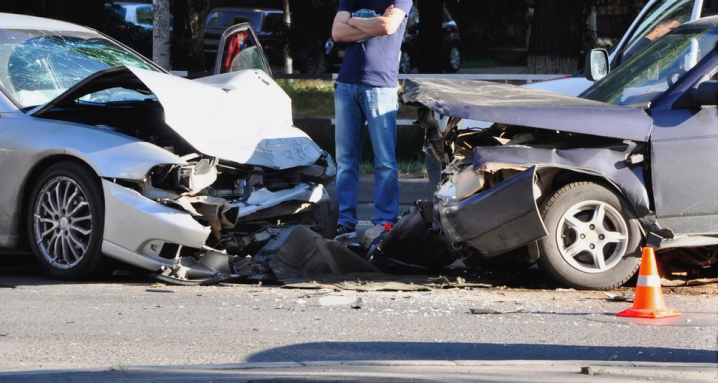
HOUSTON - Washingtoner -- Car accidents happen every single day across the country. On highways, in neighborhoods, at busy intersections, even in parking lots. They're stressful, often painful, and sometimes life-changing. While crashes can happen for many reasons, certain types of accidents are more common than others.
Rear-End Crashes
This is the most common type of accident in the U.S. It usually happens when someone's driving too close or not paying attention and ends up bumping or slamming into the car in front of them. It's often due to distracted driving, like looking at your phone at a red light or not noticing traffic slowing down ahead. Even at low speeds, these accidents can cause neck and back injuries.
T-Bone or Side-Impact Collisions
These accidents are most likely to happen at intersections. One car runs a red light or fails to yield and crashes into the side of another vehicle. Since the sides of most cars don't offer as much protection as the front or back, these crashes can lead to serious injuries, especially to the driver or passenger on the impacted side.
More on Washingtoner
Head-On Collisions
Though not as common, head-on collisions are among the deadliest. They happen when two cars traveling in opposite directions crash front-first. These crashes usually involve someone crossing into the wrong lane, maybe because they're impaired, distracted, or fall asleep at the wheel. They tend to occur on rural or two-lane roads without medians and often result in serious or fatal injuries.
Single-Car Accidents
Sometimes, only one vehicle is involved in a crash, hitting a pole, guardrail, tree, or even veering off the road entirely. These kinds of accidents are often caused by speeding, bad weather, or swerving to avoid something on the road. While they might seem less severe, they can still be deadly depending on the impact and speed.
Chain-Reaction Pileups
These multi-car crashes happen most often on freeways or in heavy traffic. One sudden stop or impact can lead to a domino effect, especially when cars are following too closely or visibility is poor. These pileups are chaotic and dangerous.
More on Washingtoner
Parking Lot Bumps
Accidents don't always happen on the road. In parking lots, low-speed collisions are surprisingly common. Cars backing out at the same time, drivers not checking their mirrors, or cutting across lanes. While these accidents usually cause minor damage, they're still frustrating and can lead to insurance headaches.
Contact An Attorney
If you've been in a crash, big or small, it's smart to talk to a personal injury attorney. They can walk you through your options, deal with insurance, and make sure you're not left paying for someone else's mistake.
Rear-End Crashes
This is the most common type of accident in the U.S. It usually happens when someone's driving too close or not paying attention and ends up bumping or slamming into the car in front of them. It's often due to distracted driving, like looking at your phone at a red light or not noticing traffic slowing down ahead. Even at low speeds, these accidents can cause neck and back injuries.
T-Bone or Side-Impact Collisions
These accidents are most likely to happen at intersections. One car runs a red light or fails to yield and crashes into the side of another vehicle. Since the sides of most cars don't offer as much protection as the front or back, these crashes can lead to serious injuries, especially to the driver or passenger on the impacted side.
More on Washingtoner
- Tek84 Unveils New Brand Identity Built to Magnify What Security Officers Can Do
- CoreVar Announces Cooking with AI, an Eight-Topic Live Webinar Series
- Spokane Police Department Makes Arrest in a Decades Old Homicide
- Mr Hospital Bed Cites Hill Rom Hospital Bed Models Best Value Home Care Hospital Beds 2026
- Spokane: SPD Seek Community Assistance in Locating Missing 10-Year-Old
Head-On Collisions
Though not as common, head-on collisions are among the deadliest. They happen when two cars traveling in opposite directions crash front-first. These crashes usually involve someone crossing into the wrong lane, maybe because they're impaired, distracted, or fall asleep at the wheel. They tend to occur on rural or two-lane roads without medians and often result in serious or fatal injuries.
Single-Car Accidents
Sometimes, only one vehicle is involved in a crash, hitting a pole, guardrail, tree, or even veering off the road entirely. These kinds of accidents are often caused by speeding, bad weather, or swerving to avoid something on the road. While they might seem less severe, they can still be deadly depending on the impact and speed.
Chain-Reaction Pileups
These multi-car crashes happen most often on freeways or in heavy traffic. One sudden stop or impact can lead to a domino effect, especially when cars are following too closely or visibility is poor. These pileups are chaotic and dangerous.
More on Washingtoner
- WOWX labs Closes US$10 Million Founder-Led Growth Financing as WOWX.market Enters Scale Phase
- BESTBUYSTORE opens its dropshipping model to independent merchants
- America's Hometown Thanksgiving Parade in Plymouth, MA, on Saturday, November 21, 2026
- Navigating a Changing Market: How AIX Group Is Responding to a Challenging Year
- 450 Million Revenue Run Rate, Global Telecom Reach and a New Digital Growth Opportunity Take Center Stage: IQSTEL, Inc. (N A S D A Q: IQST)
Parking Lot Bumps
Accidents don't always happen on the road. In parking lots, low-speed collisions are surprisingly common. Cars backing out at the same time, drivers not checking their mirrors, or cutting across lanes. While these accidents usually cause minor damage, they're still frustrating and can lead to insurance headaches.
Contact An Attorney
If you've been in a crash, big or small, it's smart to talk to a personal injury attorney. They can walk you through your options, deal with insurance, and make sure you're not left paying for someone else's mistake.
Source: MileMark
0 Comments
Latest on Washingtoner
- Simpalm Staffing Launches Tax Preparer Staffing for U.S. CPA Firms
- ASSIST Software Wins Volkswagen Challenge for Automated Quality Inspection
- National Literacy and Workforce Readiness Crisis Sparks New Program Launching in Birmingham
- New England Consulting Partners Celebrates 25 Years of Turnaround Management Solutions
- RAS AP Consulting Releases Educational Resource to Help Organizations Prepare for IRS FIRE-to-IRIS Transition
- Roots, Rhythm & Joy Invites Neighbors to Find Community Through Music
- Tacoma: Homicide Investigation – 1100 Commerce Street
- Former Goddard Enterprises Managing Director Anthony Ali Joins STS Capital Partners as Managing Director and Partner
- Heritage at Manalapan Announces Limited-Time Mortgage Rate Buydown on Select Quick Move-In Homes
- Good Organics Now at Pop Up Grocer NYC With October 30 Sampling Event
- KeysCaribbean Announces Temporarily Reduced Rates At Village at Hawks Cay Villas
- Commercial Manufacturing Validation Completed as November 10 FDA Milestone Approaches; Critical FDA Milestone Close: NRx Pharmaceuticals NAS DAQ: NRXP
- Electives Launches "Electives for Everyone," Making Live Expert-Led Learning Available to Every Employee
- Tax Tops the List as Wealthy Brits Plan Their Exit, La Vida Survey Finds
- FloorLine Launches Live Shop Floor Tracking for Small Manufacturers
- "The Tree of Cinema" Installation Brought Film History and Its Audiences Together at TIFF 2026
- Detroit Lawyer Steals $600,000 Settlement Meant to Protect Child
- The TOPS Trap: Local AI Models Hallucinated Facts, Cited Real Sources, and Sounded Confident
- Final Week to Register for Free Spokane Community Conference
- Heritage at South Brunswick Announces Special Townhome Mortgage Rate Buydown